

Welcome to Madison's Longest Running Montessori Preschool!
Now Enrolling children 18 months through 5 years old for 2025-2026!
Email for 2024-2025 availability
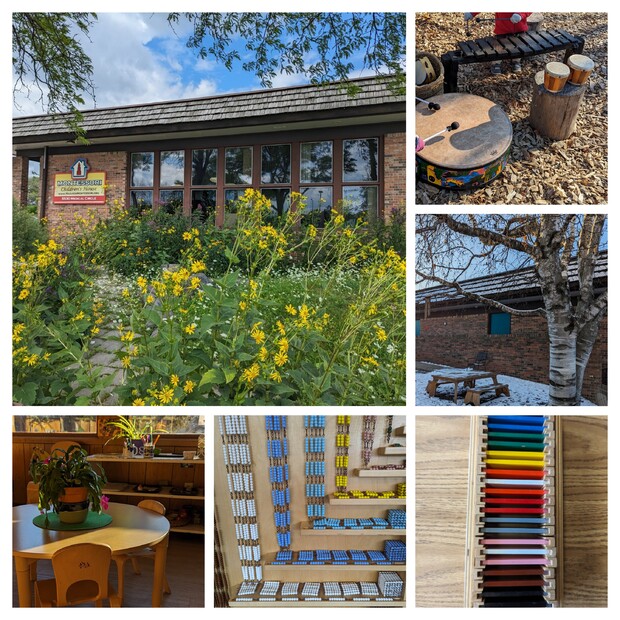
Montessori Children’s House (MCH) is a non-profit, parent board run, Montessori preschool that provides high quality education and care for children from 18 months to 6 years of age (elementary alumni program offered in the summer). MCH is Madison’s longest-running Montessori preschool, founded in 1964 through a community effort to bring this unique educational approach to our city. Community continues to be one of the concepts that our parent-led Board of Directors values most. We respect the trust that parents and guardians place in our school when they leave their children with us, and we believe we can best serve that trust by creating a nurturing community for our students, parents/guardians, staff, and teachers.
In order to respect and care for your children, we believe that our preschool must function harmoniously. To that end, both of our Directors, Jim and Laura, aspire to practice the principles of Servant Leadership in our administration. This means building a collaborative atmosphere and ensuring that our teachers and staff are given opportunities to develop and grow. It also means that we value the human ecosystem of our preschool, and practice respect between adults and children alike. Montessori Children's House values people over profit.
Not only do we strive to build a warm community atmosphere at Montessori Children's House, we also strive to extend it to you, as parents and guardians. Prospective families are given one-on-one, director-led tours of our preschool to help them make the best educational choice for their children. Enrolled families have an opportunity to connect with preschool teachers and staff during both drop-off and pick-up times. From your family’s first tour of our preschool to your child’s last day in our classrooms and even beyond as alumni, we hope that your family feels connected to our MCH community.